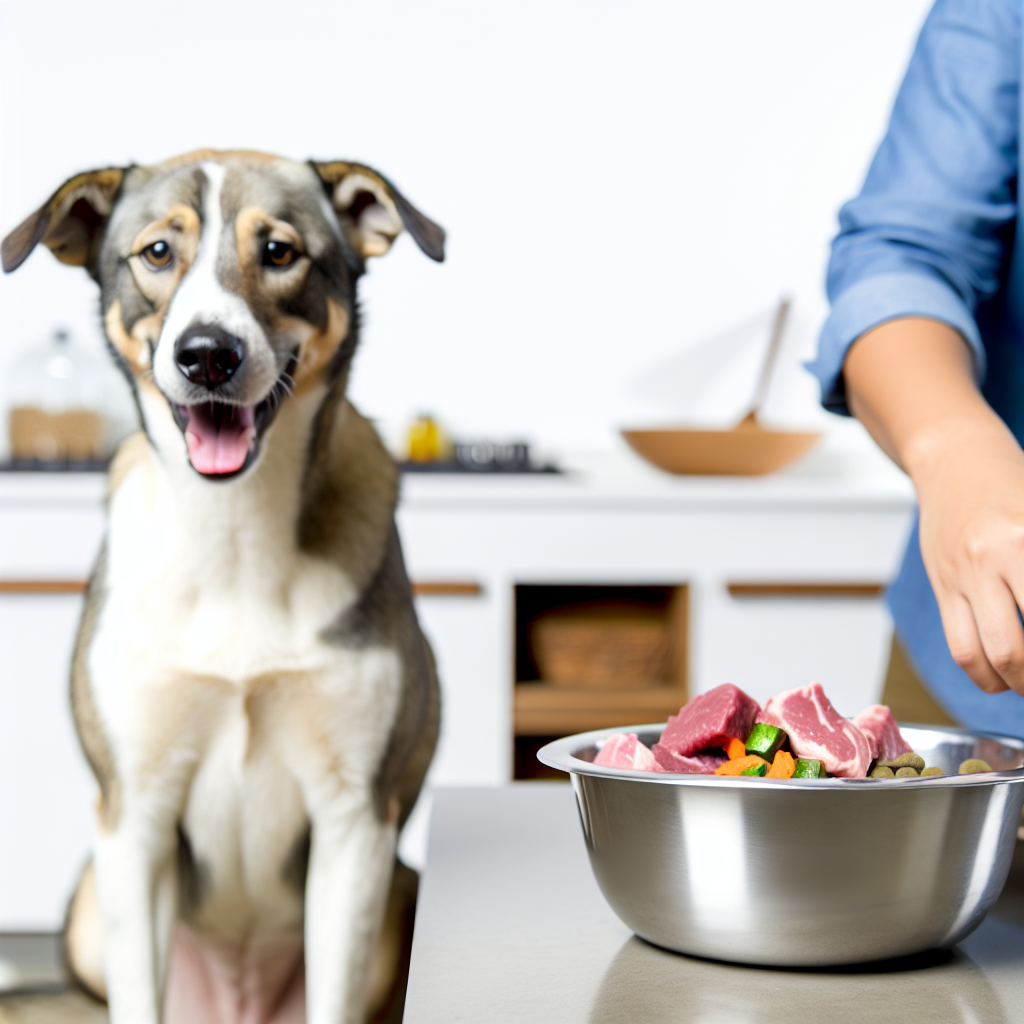
Discover the joy and benefits of cooking for your furry friend with our guide to homemade dog food delights!
The Benefits of Homemade Dog Food
Feeding your dog homemade food can be a rewarding experience, offering numerous benefits for your pet's health and happiness. Preparing meals at home allows you to control the quality of ingredients, ensuring your dog avoids preservatives and fillers found in many commercial foods. Homemade meals can also be tailored to meet specific nutritional needs and preferences, making them ideal for dogs with allergies or sensitivities. Additionally, fresh, whole foods can lead to better digestion, a shinier coat, and more energy for your beloved pup.
Moreover, creating your dog's meals can strengthen the bond between you and your pet. As you spend time preparing their food, you become more attuned to their dietary needs and preferences, fostering a deeper understanding and connection.

Essential Nutrients for Your Dog's Diet
A balanced diet is crucial for your dog's overall well-being. Essential nutrients that must be included in your dog's homemade food include proteins for muscle maintenance, carbohydrates for energy, and fats for a healthy coat and skin. Vitamins and minerals support metabolic processes, and the right balance of calcium and phosphorus ensures strong bones and teeth. Remember to include fiber for digestive health and to always provide plenty of fresh water to aid in hydration and digestion.
It's important to consult with a veterinarian to determine the specific nutritional requirements for your dog based on their age, breed, weight, and health status. This will help you create a well-rounded diet that supports your dog's unique needs.
Easy and Nutritious Recipes to Get Started
Starting with homemade dog food can be as simple as creating a balanced mix of lean meats, vegetables, and grains. For example, a basic recipe could include cooked chicken, brown rice, and steamed carrots, all chopped into bite-sized pieces. Always cook meat thoroughly and avoid adding onions, garlic, and excessive oils or spices, which can be harmful to dogs. You can also add a small amount of dog-safe fruits, such as blueberries or sliced apples, for an antioxidant boost.
Another easy recipe is a beef and vegetable stew, combining ground beef, peas, and diced potatoes in a low-sodium broth. Simmer until the vegetables are tender, and let it cool before serving. These simple meals are not only nutritious but also palatable for your furry companion.
Customizing Meals for Special Dietary Needs
Dogs with special dietary requirements, such as low-fat diets for weight management or hypoallergenic ingredients for allergies, can greatly benefit from homemade meals. Work with your vet to identify the best ingredients and avoid those that may trigger health issues. For dogs needing a low-fat diet, consider using lean meats like turkey or fish and incorporating fibrous vegetables to help them feel full. For those with allergies, single-source protein meals with novel ingredients like venison or duck can be a safe choice.
When customizing meals, it's also important to consider the life stage of your dog. Puppies, for instance, need more calories and specific nutrients to support their growth, while senior dogs may require fewer calories and more joint-supporting supplements like glucosamine. Adjust recipes accordingly to ensure they're age-appropriate and beneficial.
Tips for Storing and Serving Homemade Dog Food
Proper storage is key to maintaining the freshness and nutritional value of homemade dog food. After cooking, allow the food to cool completely before transferring it to airtight containers. You can store it in the refrigerator for up to five days. For longer-term storage, portion the food into meal-sized servings and freeze it, ensuring it's thawed safely in the refrigerator before serving.
When serving homemade dog food, it's important to remove it from the refrigerator about 30 minutes prior to mealtime to reach room temperature. This makes the food more palatable and easier to digest. Always observe your dog's reaction to new foods and consult with your vet if you notice any adverse effects or changes in your dog's health.